Overview of the 2017 NEC Code Book PDF
The 2017 NEC Code Book PDF is the official, fully searchable electronic edition of the National Electrical Code, covering all electrical installation rules, tables, and amendments. It includes 1,200+ pages, 12 appendices, and a comprehensive index for quick reference. It is used by inspectors globally

Importance and Historical Context
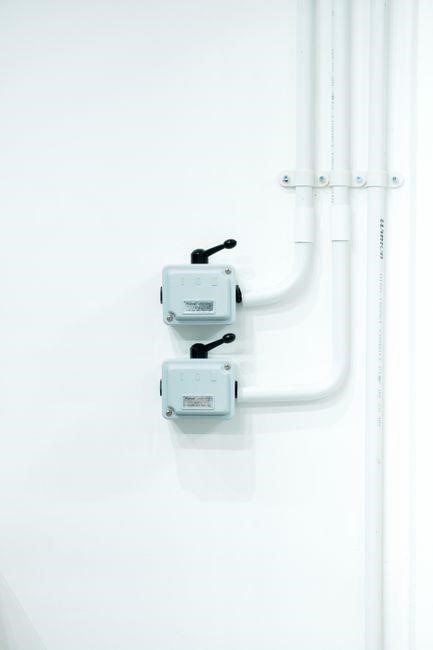
The 2017 NEC Code Book PDF marks a pivotal update, integrating safety standards and technology advances. Historically, the NEC has evolved every three years; this edition reflects lessons from past incidents, reinforcing compliance and protecting welfare worldwide.!
Evolution of NEC Codes
The National Electrical Code (NEC) has evolved through a series of revisions that reflect technological progress, safety research, and industry feedback. Since its first publication in 1897, the NEC has been updated every three years, creating a living document that adapts to new materials, wiring methods, and emerging electrical equipment. The 2017 edition represents the 53rd revision, incorporating significant changes such as expanded requirements for solar photovoltaic systems, updated rules for electric vehicle charging, and enhanced provisions for cable and conduit installation in high‑temperature environments. Each revision builds upon the previous one, refining language, clarifying intent, and removing ambiguities that could lead to misinterpretation. The evolution process involves a rigorous review by the National Fire Protection Association (NFPA) committees, public comment periods, and collaboration with manufacturers, utilities, and safety professionals. This iterative approach ensures that the NEC remains a trusted standard for protecting life and property while fostering innovation in electrical engineering. The 2017 code also reflects a broader trend toward harmonization with international standards, facilitating global trade and compliance for multinational companies. By tracing the NEC’s historical development, users gain insight into why certain provisions exist, how they address specific hazards, and how the code’s structure supports consistent interpretation across jurisdictions. Understanding this evolution is essential for professionals who must apply the code accurately and anticipate future changes that may impact design, installation, and inspection practices.
The code’s structure has been refined for clarity, grouping sections by function and standardizing terminology, which reduces confusion and aids compliance across diverse electrical projects worldwide!

Legal Access and Copyright
The 2017 NEC Code Book PDF is copyrighted by the National Fire Protection Association. Access requires a paid license or authorized purchase. Unauthorized copying or distribution violates copyright law and may lead to penalties. Compliance with the NEC ensures safety conformity ofelectrical installations
Copyright Status
The National Electrical Code (NEC) is a copyrighted text owned by the National Fire Protection Association (NFPA). The 2017 edition, like all later versions, is protected under U.S. copyright law, granting the NFPA exclusive rights to reproduce, distribute, and create derivative works. Legal access requires a licensed copy obtained through the NFPA’s official channels or authorized resellers. Purchasing a digital or printed edition grants a non‑exclusive, non‑transferable license that allows the holder to view and reference the code for compliance and educational purposes. Unauthorized copying, redistribution, or public display of the PDF infringes on the NFPA’s intellectual property rights and can lead to civil liability, including statutory damages and attorney fees. For researchers and educators, the NFPA recommends contacting the organization to request a short‑term license or negotiate a specific use agreement that aligns with the intended purpose. In summary, the 2017 NEC Code Book PDF is a protected work; legal access requires a valid license and any deviation from the licensing terms constitutes copyright infringement. Compliance with these rules protects the NFPA’s intellectual property and ensures that electrical professionals reference an authoritative current standard that promotes safety and uniformity across the industry. Adhering to the code ensures safety and reliability. It supports industry standards. Compliance fosters trust among stakeholders.

Downloading Sources
Access the 2017 NEC Code Book PDF through the NFPA website or authorized resellers. The official site offers a secure download after purchase, ensuring you receive the latest updates and full-text version. Always verify the source to avoid unauthorized copies. Download now.!!!
Official NEC Website
Visitors to the National Fire Protection Association’s officialportal can obtain the 2017 NEC Code Book PDF by navigating to the ‘Standards’ section and selecting the 2017 edition from the list of available documents. The site requires a valid NFPA membership or a one‑time purchase, ensuring that users receive an authentic, fully‑up‑to‑date copy that reflects all amendments and clarifications added during the 2017 revision cycle. Once logged in, the PDF is available for download in high‑resolution format, preserving the original layout and table of contents for ease of reference. The download link is protected by secure protocols, preventing unauthorized distribution and guaranteeing that the file remains unaltered. Users can also access a summary of key changes in the 2017 edition, including updates to grounding, conduit, and cable installation rules, as well as new requirements for electric vehicle charging stations. The official site offers a search feature that allows readers to locate specific clauses or sections quickly, making the code more navigable for inspectors, engineers, and contractors alike. The portal provides links to related resources such as the 2017 NEC Code Summary and the 2017 Code of Practice. For those who prefer a printed version, the site also lists authorized distributors and provides instructions for ordering hard copies. By using the official website, users can be confident that they are accessing the most reliable and legally compliant version of the 2017 NEC Code Book, which is essential for maintaining safety standards and meeting regulatory requirements across the United States
Trusted Third-Party Sites
When the official NFPA portal is inaccessible or a user prefers a different distribution channel, several reputable third‑party platforms provide the 2017 NEC Code Book PDF. These sites are vetted for compliance with copyright law and typically offer a free preview or a limited‑time download before requiring a purchase. One of the most frequently cited resources is the National Electrical Code Archive, which hosts a searchable database of all past editions, including the 2017 version. Users can view the PDF in a browser window, download it in full resolution, and even print selected sections. Another reliable option is the Electrical Code Library, a subscription‑based service that grants access to the entire NEC collection, along with supplementary materials such as code summaries, practice guides, and exam study aids. The library’s interface allows for keyword searches across multiple editions, making it easier to compare changes between 2017 and earlier or later revisions. For those on a tight budget, the Code Store offers a pay‑per‑download model, where the 2017 edition can be purchased for a nominal fee. The site guarantees that the PDF is the official, unaltered version, and it includes a digital signature to verify authenticity. All these third‑party sites maintain secure protocols, HTTPS encryption to protect users’ data and prevent piracy. By choosing a trusted third‑party source, users can obtain the 2017 NEC Code Book PDF quickly, safely, and with the assurance that the document meets the same standards as the official NFPA distribution.

Using the PDF Effectively
The 2017 NEC Code Book PDF can be navigated efficiently by using the built‑in bookmark system, which lists chapters, sections, and appendices. Search functions allow quick retrieval of specific clauses. Highlighting tools help annotate critical passages for future reference. Zoom in for precise details.
Navigation Tips
Mastering the 2017 NEC Code Book PDF requires a strategic approach to navigation. Begin by opening the document in a robust PDF reader that supports bookmarks and full-text search. The left-hand pane typically displays a hierarchical bookmark list—each chapter, section, and appendix is a clickable node. Expand the “Chapter 1” node to reveal all subsections, then click on the specific clause you need. For quick access, use the search bar (Ctrl+F or Cmd+F) to type keywords like “grounding” or “overcurrent protection.” The search results will highlight every instance, and you can jump directly to the relevant page. Additionally, the “Find” feature often offers advanced options such as matching whole words or case sensitivity, which can narrow down results in dense technical text. Once you locate a clause, right-click and choose “Add Bookmark” to create a custom shortcut for future reference. If you frequently consult the same sections, consider creating a very bookmark folder!!!! for efficient use. save time! The PDF’s Table of Contents link at the start of the document is a powerful tool; clicking any entry instantly navigates to that page. For large documents, the Page Thumbnails view lets you scroll quickly to distant sections. Finally, PDF readers let you annotate pages—highlight, underline, or add notes—so you can mark key requirements.

Common Challenges and Solutions
Users often face slow loading, missing bookmarks, and difficulty locating specific clauses. Solutions include updating PDF readers, enabling full-text indexing, and using the built-in search. For large files, splitting into chapter PDFs can improve performance.

Use bookmarks for quick reference.
PDF Reader Compatibility
When working with the 2017 NEC Code Book PDF, ensuring that your PDF reader can handle the file’s size and complexity is essential. Most modern readers—Adobe Acrobat Reader DC, Foxit Reader, and SumatraPDF—support the full range of features, including bookmarks, annotations, and full‑text search. However, older versions of Adobe Reader (pre‑2015) may struggle with rendering large documents, leading to lag or crashes. For optimal performance, use the latest stable release of your chosen reader. If you encounter memory issues, consider enabling “Reduce File Size” or “Optimize PDF” options before opening the file. Some readers, such as Nitro PDF, provide a “Fast Open” mode that loads only the visible pages initially, which can be helpful when navigating large sections. Additionally, enabling “Enable JavaScript” is crucial for interactive elements like the NEC’s dynamic tables, which rely on embedded scripts to display correct data. If JavaScript is disabled, tables may appear static or incomplete. On mobile devices, apps like PDF Expert or iBooks support the 2017 NEC PDF, but they may not fully render complex tables or interactive features. In such cases, using a desktop reader is recommended. Finally, always verify that the PDF’s security settings allow printing and copying if you need to create hard copies or extract text for reference. If the file is locked, contact the distributor or use a PDF unlocking tool that respects copyright laws. Moreover, users should keep their PDF reader updated to ensure compatibility up-to-date settings !

Future Updates and Transition
As the 2017 edition nears its end, the National Electrical Code Association (NECA) is preparing the 2020 revision, adding requirements for renewable energy, electric vehicle charging, and automation. The transition plan urges users to download the 2020 PDF from the official NEC site, where a side‑by‑side comparison tool highlights changes. Professionals can use the NEC’s “Transition Guide” to map 2017 clauses to 2020 counterparts, aiding audits and training. The 2020 code updates color‑coding standards and grounding methods, reflecting industry best practices. Many utilities and jurisdictions allow a dual‑code period, letting inspectors reference both editions during overlap. Inspectors can use the 2017 PDF for historical context while applying 2020 rules to new work. The NEC recommends updating PDF readers to the latest versions for new interactive features, and advanced controls!! The NEC offers an online portal for feedback on the transition, ensuring future editions stay responsive to field realities. By staying informed and leveraging transition resources, practitioners can navigate the shift smoothly and uphold safety standards. Practitioners should review NEC training modules covering 2020 sections, consider obtaining the NEC Transition Certification, and use digital compliance tools that flag 2017‑based violations when applying the 2020 code, streamlining audits. Integrating these resources ensures documentation and labeling remain aligned with new safety standards, protecting personnel and infrastructure.