Welcome to the Freedom Curriculum PDF guide, where educators explore resources that celebrate liberty, critical thinking and inclusive learning. This introduction outlines purpose, scope, and benefits for teachers and students alike. Explore PDFs, plan lessons, and engage learners in meaning dialogue!

What Is Freedom Curriculum?
Freedom curriculum is an educational framework that prioritizes student agency, critical inquiry, and the exploration of democratic values. It encourages learners to question assumptions, analyze diverse perspectives, and apply knowledge to real‑world contexts. By integrating historical documents, contemporary case studies, and interactive media, the curriculum fosters civic engagement and ethical reasoning.
Key elements include open‑ended projects, collaborative debates, and reflective journaling. Teachers act as facilitators, guiding inquiry rather than delivering didactic instruction. Assessment focuses on process, creativity, and the ability to articulate arguments, rather than solely on factual recall.
Freedom curriculum PDFs provide ready‑made lesson plans, primary source collections, and multimedia guides that align with state standards while promoting independent thought. They serve as a resource hub for educators seeking to embed freedom‑oriented pedagogy across subjects such as history, literature, science, and social studies.
Ultimately, the curriculum aims to cultivate informed citizens who can navigate complex social issues, advocate for justice, and contribute positively to their communities.
With students primary sources, analyze political speeches, and debate contemporary issues, developing analytical skills and ethical reasoning. The curriculum encourages reflective writing, the use of tools to create dynamic presentations that connect theory to practice!!

Historical Context of Freedom Education
Freedom education traces its roots to Enlightenment thinkers who championed individual rights and rational inquiry. Early 19th‑century reformers, such as Horace Mann, advocated public schooling as a vehicle for civic virtue. The Civil War era intensified debates over education’s role in shaping a democratic society, leading to landmark legislation like the 1866 Morrill Act, which expanded access to higher learning for all citizens. The 20th century saw the rise of progressive education, with John Dewey emphasizing experiential learning and democratic participation. Post‑World War II, the Civil Rights Movement demanded curricula that reflected diverse voices and challenged systemic inequities. The 1965 Elementary and Secondary Education Act further reinforced the need for inclusive, student‑centered instruction. In recent decades, technology has reshaped freedom education, enabling global collaboration and real‑time engagement with primary sources. Contemporary scholars argue that freedom curricula must integrate critical media literacy, digital citizenship, and global perspectives to prepare learners for complex, interconnected societies. As educational policy evolves, the historical trajectory of freedom education underscores the enduring commitment to fostering informed, engaged citizens capable of shaping their own futures. By weaving primary documents, simulations, and reflective dialogues into lessons, teachers empower students to interrogate power structures and envision equitable futuresfully.

Key Themes Covered in Freedom Curriculum PDFs
Freedom curriculum PDFs cover themes of liberty, democracy, justice, media literacy, and global perspectives. Freedom curriculum PDFs cover themes of liberty, democracy, justice, media literacy, and global perspectives. Freedom curriculum PDFs cover themes of liberty, democracy, justice, media literacy, and global perspectives. Freedom curriculum PDFs cover themes of liberty, democracy, justice, media literacy, and global perspectives. Freedom curriculum PDFs cover themes of liberty, democracy, justice, media literacy, and global perspectives. Freedom curriculum PDFs cover themes of liberty, democracy, justice, media literacy, and global perspectives. Freedom curriculum PDFs cover themes of liberty, democracy, justice, media literacy, and global perspectives. Freedom curriculum PDFs cover themes of liberty, democracy, justice, media literacy, and global perspectives. Freedom curriculum PDFs cover themes of liberty, democracy, justice, media literacy, and global perspectives. Freedom curriculum PDFs cover themes of liberty, democracy, justice, media literacy, and global perspectives. Freedom curriculum PDFs cover themes of liberty, democracy, justice, media literacy, and global perspectives. Freedom curriculum PDFs cover themes of liberty, democracy, justice, media literacy, and global perspectives. Freedom curriculum PDFs cover themes of liberty, democracy, justice, media literacy, and global perspectives. This curriculum promotes critical thinking, empathy, equips students address complex societal issues.
Overview of Available PDF Resources
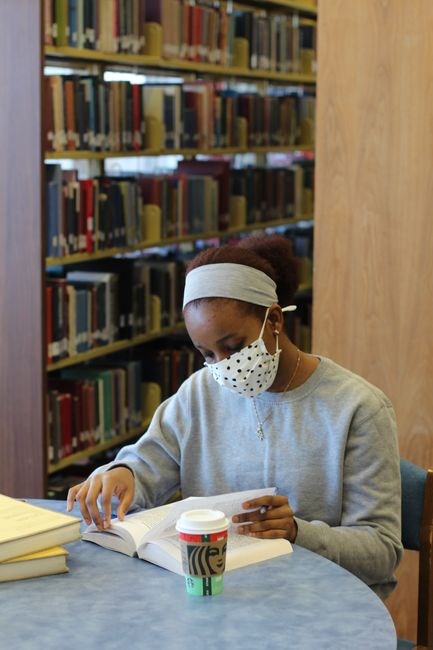
Freedom curriculum PDFs are organized into thematic collections, each offering lesson plans, primary source excerpts, discussion prompts, and assessment rubrics. The resource library includes modules on constitutional history, civil rights movements, media literacy, and global citizenship. Each PDF is formatted for easy download, printable, and compatible with common classroom software. Educators can filter by grade level, subject area, or specific learning objectives. The PDFs also provide downloadable worksheets, activity guides, and reflection prompts that align with national standards. In addition, many documents feature interactive elements and embedded hyperlinks to archives and interactive video clips. The collection is regularly updated to incorporate recent scholarship, contemporary case studies, and evolving pedagogical strategies. Teachers can access the PDFs through a secure online portal, where they can create personal accounts, bookmark resources, and share lesson plans with colleagues. The platform offers a search function that allows educators to locate materials by keyword, theme, or author. For schools with limited internet connectivity, a bulk download option is available, ensuring that educators can still utilize the full range of materials offline. The PDFs also include metadata tags that help teachers quickly identify the intended audience, estimated time for completion, and suggested classroom activities. By providing a comprehensive, well‑structured repository, the freedom curriculum PDF initiative supports differentiated instruction, promotes student agency, and encourages collaborative learning across diverse educational settings.

How to Access Freedom Curriculum PDFs
Step 1: Visit the official Freedom Curriculum portal at freedomcurriculum.org. Sign in or register for a free account. Step 2: Navigate to the “Resources” tab. The library is sorted by grade level and theme—Constitutional Law, Civil Rights, Media Literacy, etc. Step 3: Use the search bar to find topics or keywords; filter by subject, grade, or file type. Step 4: Click a PDF title to preview its table of contents and objectives. Step 5: Click “Download PDF” to save the file. Step 8: For offline use, download all PDFs in a ZIP archive. Step 9: Check the “Updates” section for new PDFs and revisions, keeping your curriculum fresh.
Teachers can bookmark frequently used PDFs, annotate them with personal teaching notes, and share insights with peers through the community forum. Additionally, the portal’s analytics dashboard tracks download statistics, helping educators assess which resources resonate most with their students and adjust instruction accordingly for continuous improvement and data-driven decisions in real-time every day. This concise guide ensures quick navigation and resource utilization for daily.
Teachers are encouraged to bookmark PDFs, annotate them with teaching notes, and share insights with peers through the community forum. Additionally, the portal’s analytics dashboard tracks download statistics, helping educators assess which resources resonate most with their students and adjust instruction accordingly. for growth and data.

Integrating PDFs into Classroom Instruction
Begin by aligning each PDF with your lesson objectives and the broader curriculum framework. Use the PDF’s table of contents to identify key concepts, then design activities that scaffold student understanding. Create a digital “resource hub” in your learning management system where students can access PDFs, submit annotations, and collaborate on group projects. During class, employ a “think‑pair‑share” strategy: students read a section, discuss in pairs, and then contribute to a shared mind map. For differentiated instruction, provide summary sheets for visual learners and audio versions for auditory learners. Encourage students to create their own graphic organizers or concept maps using the PDF as a reference. Assign reflective journals where learners comment on how the material connects to real‑world scenarios. Use formative quizzes embedded in the PDF via interactive forms to gauge comprehension in real time. Finally, schedule a “PDF review” session where students present insights, ask questions, and critique the source’s perspective, fostering critical media literacy and civic engagement.
To support diverse learners, incorporate multimodal annotations, allowing students to highlight, comment, and link to external resources. Use the PDF’s embedded hyperlinks to direct students to primary documents, news articles, and interactive simulations. Encourage peer review by assigning groups to critique each other’s annotations, fostering collaborative learning and deeper engagement with the material. Boosts teamwork daily

Assessment and Evaluation Strategies
Use rubrics, quizzes, peer reviews, and reflective journals to gauge understanding. Align tasks with learning goals, incorporate formative checks, and provide feedback; Track progress with data dashboards, adjust instruction, and celebrate growth milestones.
Reading Comprehension Exercises
Design activities that deepen students’ grasp of texts central to freedom themes. Start with pre‑reading prompts that activate background knowledge, such as mapping key concepts like liberty, equality, and civic duty. Use graphic organizers—concept maps, Venn diagrams, or storyboards—to scaffold understanding.
During reading, incorporate think‑aloud strategies and guided questions that target main idea, supporting details, and inference. Encourage students to annotate margins with questions, predictions, and connections to personal experiences. After reading, facilitate small‑group discussions that allow learners to articulate interpretations and challenge assumptions.
Assessment can be formative through exit tickets, quick quizzes, or digital polls that capture comprehension levels. Summative evaluation may involve reflective essays, creative projects, or oral presentations that require synthesis of textual evidence and personal reflection on freedom’s relevance.
Integrate technology by using interactive PDFs with embedded hyperlinks, audio narration, and annotation tools. This supports diverse learning styles and promotes digital literacy while reinforcing comprehension skills.
Use digital annotation tools to let students highlight key passages, add comments, and link to external resources. Encourage peer review by sharing annotated PDFs in a collaborative workspace. This practice deepens critical analysis, fosters dialogue, and builds a community of inquiry around freedom concepts.
Students discuss how insights shape engagement today.
Critical Thinking Prompts
Begin by asking students to identify the underlying assumptions in a text about freedom. Prompt them to consider whose perspectives are represented and whose are omitted. Encourage analysis of language choices that signal bias or persuasion.
Next, challenge learners to evaluate the evidence supporting claims about liberty. Ask them to distinguish between anecdotal anecdotes and systematic data, and to assess the credibility of sources cited within the PDF. This step fosters evidence‑based reasoning.
Finally, guide students to synthesize insights across multiple documents. Provide a scenario where they must draft a policy recommendation or a persuasive argument that balances individual rights with communal responsibilities. Allow peer critique to refine logic and strengthen argumentative structure.
Use digital tools like mind‑mapping software or collaborative whiteboards to visualize connections between ideas. Record reflections in a shared journal, prompting students to articulate how their viewpoints evolved through the process.
In addition, encourage students to compare historical and contemporary examples of freedom struggles, noting shifts in language, context, and outcomes. Have them create a timeline that visualizes key milestones, then debate the ethical implications of each decision. This activity deepens causal reasoning and promotes empathy across cultures.
Students write reflection linking the lesson to their own lives, fostering insight daily.
Creative Project Ideas
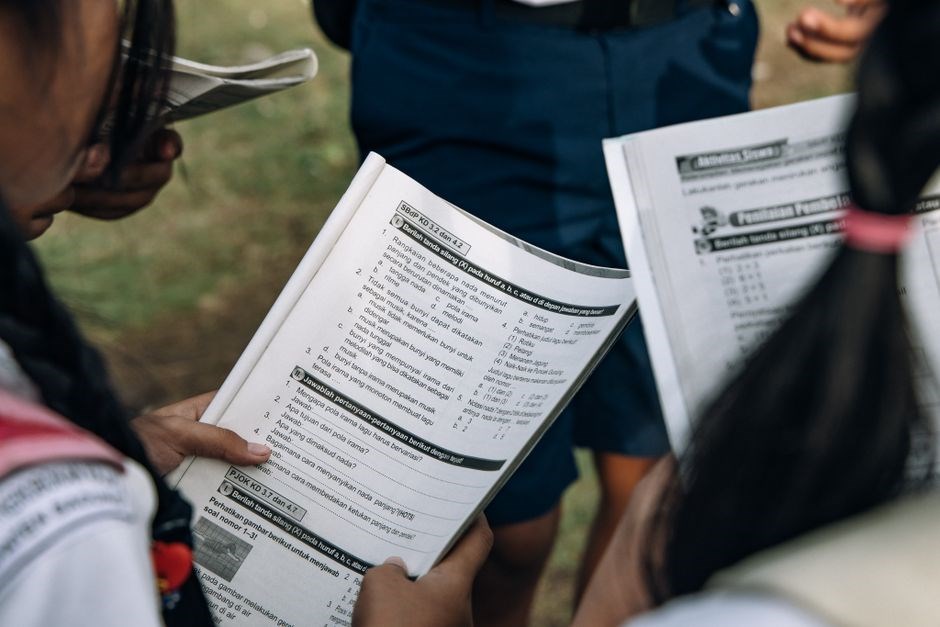
Students can transform the Freedom Curriculum PDFs into multimedia stories that highlight pivotal moments in the fight for liberty; One idea is to create a digital comic strip where each panel represents a key event, using original illustrations or stock images and concise captions that explain the significance. Another option is to produce a short documentary: students research primary sources, conduct mock interviews with historical figures, and edit footage into a 5‑minute narrative that showcases the evolution of freedom across time.
Writing projects can include a reflective essay where students compare a contemporary issue of civil liberty with a historical precedent. They should use evidence from the PDFs, incorporate counterarguments, and conclude with personal insights. Alternatively, students can draft a persuasive op‑ed piece for a school newspaper, arguing for or against a current policy that impacts freedom.
Technology‑savvy learners might build an interactive timeline using tools like Tiki‑Toki or TimeToast. They should embed PDFs, images, and artifacts related to civil rights, and arrange them on a corkboard to illustrate how different movements intersect. Students then present their boards, explaining the connections they drew and the lessons learned.
Students can host a mock debate where each side defends a different interpretation of freedom from the PDFs. Recording the debate lets classmates review arguments, annotate key points, and vote on the most persuasive stance!!
Technology Integration Techniques
Leverage the Freedom Curriculum PDFs by embedding them into a cloud‑based platform where students annotate, highlight, and comment in real time. Use Google Docs or OneDrive to create shared folders, assign collaborative reading tasks that require sticky notes and links to external sources. Interactive quizzes in Kahoot! or Quizizz pull questions directly from the PDFs’ key facts and themes. For deeper engagement, students convert PDF pages into editable PowerPoint slides, using the “Morph” transition to illustrate idea progression over time. Augmented reality apps like HP Reveal let students scan QR codes next to PDF excerpts, triggering 3‑D models or short videos that contextualize historical events. Virtual reality simulations, such as those offered by Google Expeditions, immerse learners in reenactments of landmark court cases, allowing exploration of documents’ language and impact from a first‑person perspective. Finally, integrate a learning management system like Canvas or Moodle to track reading progress, embed discussion boards, and auto‑grade reflective journals that reference PDF content. By blending cloud collaboration, gamified assessment, AR/VR experiences, and LMS analytics, educators create a dynamic, tech‑rich environment that amplifies the Freedom Curriculum’s message. Teachers can also use interactive whiteboards to display PDF excerpts and invite students to annotate directly on the board, fostering collaborative discussion. Additionally, integrating podcasting tools allows students to record their reflections on the PDFs, which can be shared with the class for peer feedback. By combining these digital strategies, the curriculum becomes adaptable to diverse learning styles and promotes deeper understanding of freedom’s principles. Students can create podcasts summarizing key PDFs, fostering listening every day.
Gathering Student Feedback
Collecting student insights on the Freedom Curriculum PDFs is essential for refining content, pacing, and relevance. Begin with a brief anonymous survey embedded in the learning management system, asking students to rate clarity, engagement, and perceived depth of each PDF chapter. Use a Likert scale (1–5) and open‑ended fields for suggestions. Follow up with a focus group where students discuss specific excerpts, highlighting passages that sparked curiosity or confusion. Record these sessions for later analysis, noting recurring themes such as terminology difficulty or missing contextual links. Incorporate peer‑review activities: students exchange annotated PDFs, comment on each other’s highlights, and vote on the most compelling sections. This peer dialogue not only surfaces diverse perspectives but also encourages active reading. For ongoing feedback, implement a digital “feedback wall” on a shared drive where students can drop sticky notes or short videos expressing their thoughts after each lesson. Analyze the data weekly, adjusting lesson plans to address common concerns. Finally, schedule a reflective writing assignment where students evaluate how the PDFs influenced their understanding of freedom, citing specific examples. Summarize findings in a teacher dashboard, using charts to track sentiment trends over time. This systematic approach ensures the curriculum remains responsive, student‑centered and continuously improving. Students rate the PDFs on a 1‑10 scale.!!!
Collecting student insights on the Freedom Curriculum PDFs is essential for refining content, pacing, and relevance. Begin with a brief anonymous survey embedded in the learning management system, asking students to rate clarity, engagement, and perceived depth of each PDF chapter. Use a Likert scale (1–5) and open‑ended fields for suggestions. Follow up with a focus group where students discuss specific excerpts, highlighting passages that sparked curiosity or confusion. Record these sessions for later analysis, noting recurring themes such as terminology difficulty or missing contextual links. Incorporate peer‑review activities: students exchange annotated PDFs, comment on each other’s highlights, and vote on the most compelling sections. This peer dialogue not only surfaces diverse perspectives but also encourages active reading. For ongoing feedback, implement a digital “feedback wall” on a shared drive where students can drop sticky notes or short videos expressing their thoughts after each lesson. Analyze data weekly, adjusting lesson plans to address common concerns. Finally, schedule a reflective writing assignment where students evaluate how the PDFs influenced their understanding of freedom, citing specific examples. Summarize findings in a teacher dashboard, using charts to track sentiment trends over time. Students rate the PDFs on a 1‑10 scale.!!!
Engaging Parents and Guardians
Effective communication with families is the cornerstone of a successful Freedom Curriculum PDF program. Begin by sending a concise welcome packet that outlines the curriculum’s goals, key themes, and the role of PDFs in fostering critical inquiry. Include a glossary of terms, sample lesson plans, and FAQ
Host a virtual orientation session where teachers walk parents through the PDF interface, demonstrate annotation tools, and showcase how students can collaborate on shared documents. Offer a live Q&A to clarify expectations and highlight opportunities for home‑based projects that reinforce classroom learning.
Provide regular newsletters that feature student highlights, upcoming PDF releases, and tips for guiding discussions at home. Encourage parents to log in to the learning portal and view their child’s progress, leaving constructive comments that reinforce positive learning behaviors.
Organize periodic “PDF Review Nights” where parents can join a live webinar to explore a selected chapter, discuss its real‑world relevance, and share personal anecdotes that connect the material to everyday life. Use breakout rooms for small group dialogue, ensuring every voice is heard.
Finally, create a feedback loop: distribute short surveys after each PDF release, asking parents to rate clarity, engagement and perceived impact on their child’s understanding of freedom. Use the data to adjust pacing, supplement materials, and celebrate successes in the next newsletter.

Teacher Reflection and Professional Development
Reflecting on the Freedom Curriculum PDFs is a cornerstone of effective teaching. Begin each lesson cycle by noting what resonated with students and what challenges emerged. Use a concise rubric to capture clarity, engagement, and alignment with objectives. Record observations in a shared notebook so colleagues can review and contribute insights. Schedule monthly peer‑review sessions where teachers exchange annotated PDFs and discuss strategies for deepening critical thinking. Invite external experts or local leaders to observe a lesson and offer fresh perspectives. Attend webinars and workshops focused on digital literacy and inclusive pedagogy, ensuring you stay current with emerging tools that enhance PDF interactivity. Create a professional learning community on a collaboration platform, sharing lesson plans, student work, and journals. Encourage teachers to experiment with annotation styles—highlighting, margin notes, and mind maps to support learning styles. After each unit, conduct a self‑assessment that compares initial goals with outcomes, noting gaps. Use data from student feedback and assessment results to inform next steps. Finally, document lessons learned in a reflective blog or portfolio, making the process transparent for stakeholders and a resource for future educators. This cycle of reflection, collaboration, and evidence‑based adjustment strengthens the curriculum’s impact and ensures that teaching practices evolve in tandem with student needs!!!!
Future Directions for Freedom Curriculum PDFs
As digital learning environments evolve, Freedom Curriculum PDFs must adapt to new pedagogical models, emerging technologies, and shifting societal priorities. First, integrating interactive multimedia—animated timelines, embedded audio narratives, and responsive quizzes—will transform static documents into dynamic learning ecosystems. Second, leveraging artificial intelligence to personalize content pathways can help students explore freedom concepts at individualized pace, while providing teachers with real‑time analytics on comprehension and engagement. Third, expanding the curriculum to include global perspectives on liberty will foster cross‑cultural empathy and critical dialogue, ensuring that students recognize freedom’s multifaceted nature across different societies. Fourth, establishing a collaborative open‑source repository will allow educators worldwide to contribute, remix, and refine PDFs, creating a living curriculum that evolves with community input. Finally, embedding robust assessment tools—adaptive testing, reflective journals, and project‑based rubrics—will support continuous feedback loops, enabling educators to iterate instructional strategies swiftly. By embracing these directions, Freedom Curriculum PDFs can remain at the forefront of equitable, inclusive, and innovative education, empowering learners to navigate complex ideas about liberty, responsibility, and civic engagement in an ever‑changing world This evolving framework invites continuous collaboration and innovation